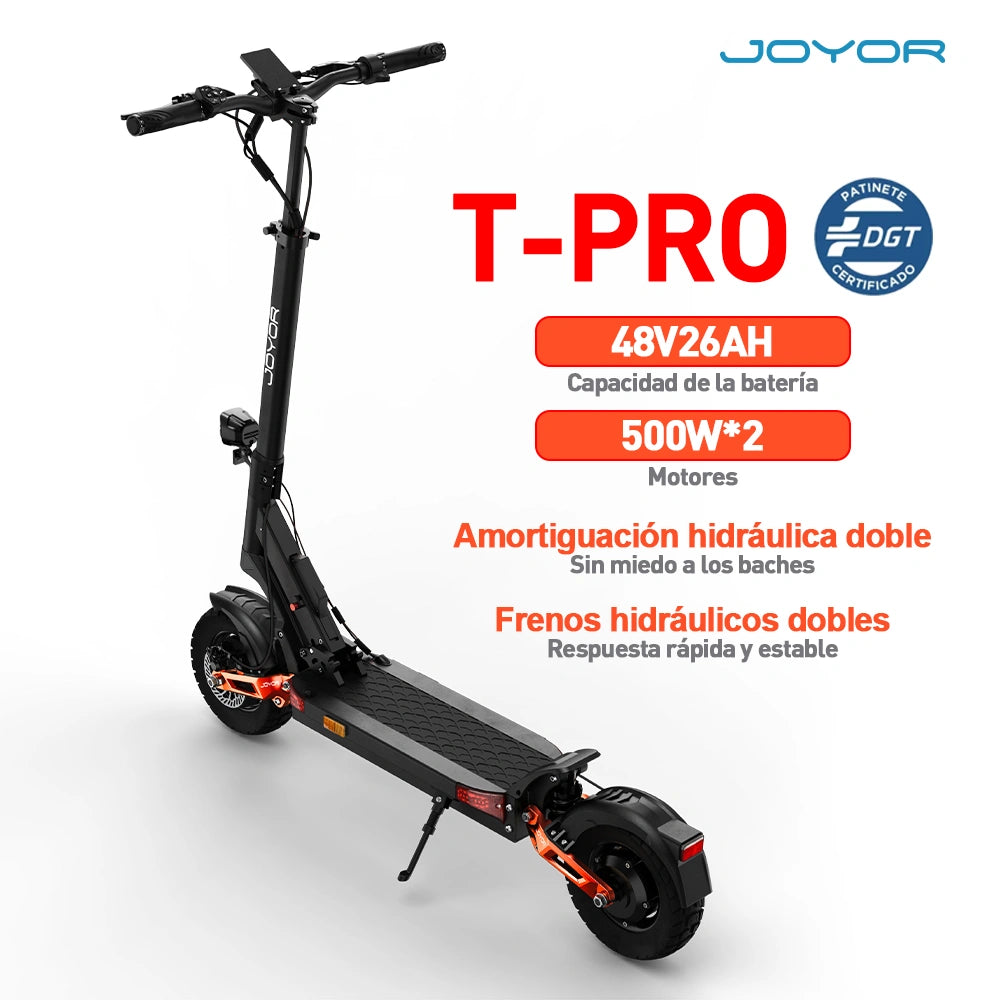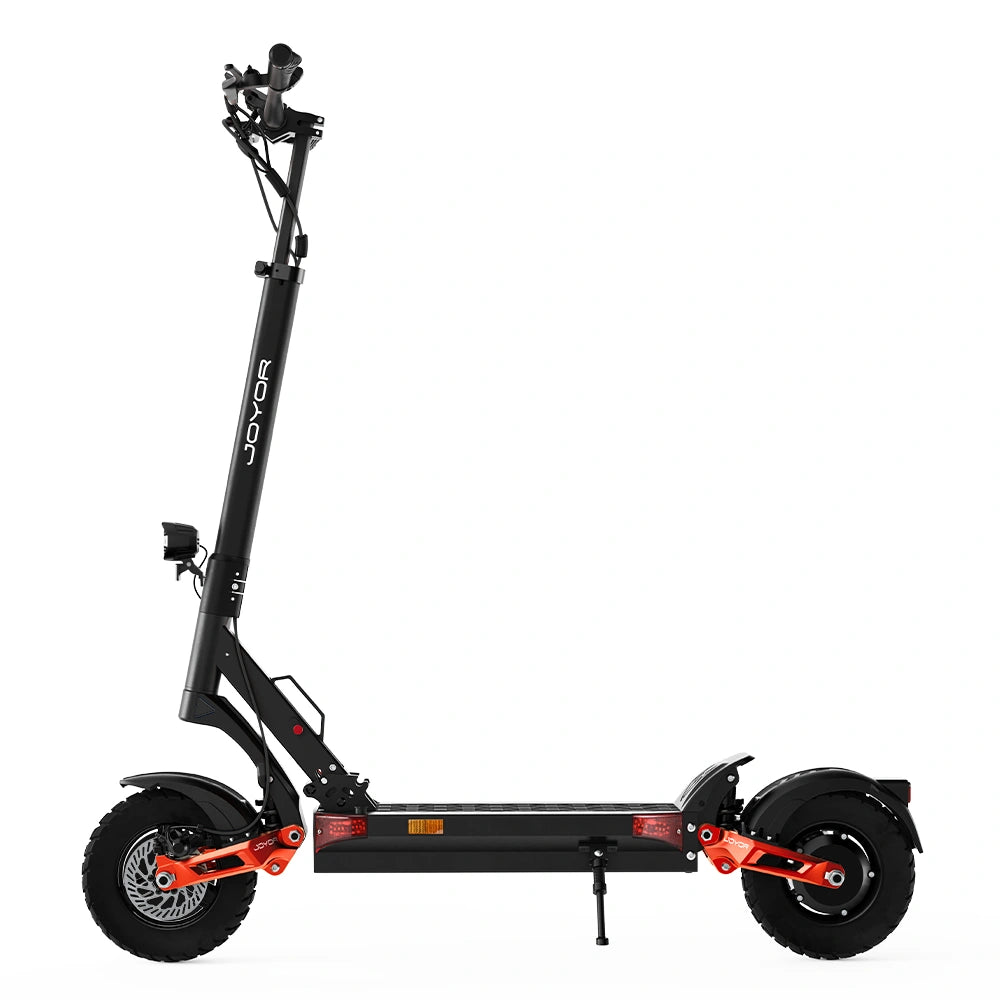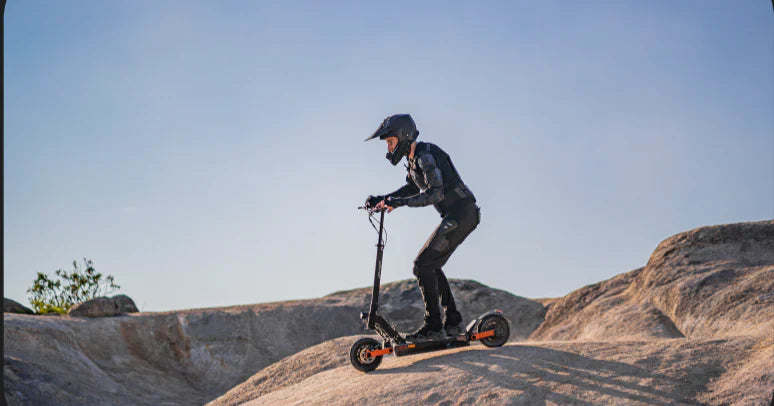
Owning an electric scooter is one of the most convenient ways to travel through the city, but like any vehicle, it requires regular maintenance to stay safe, efficient, and reliable.
Whether you use your Joyor scooter for daily commuting or weekend rides, proper care can help extend the lifespan of critical components, improve riding comfort, and reduce unexpected repair costs.
This guide covers the essential maintenance tasks every electric scooter owner should know.
Why Regular Maintenance Matters
Electric scooters experience constant vibration, road impacts, weather exposure, and mechanical stress.
Without regular inspection, small issues can develop into larger and more expensive problems.
Routine maintenance helps:
- Improve rider safety
- Extend battery life
- Maintain braking performance
- Increase tire lifespan
- Reduce wear on mechanical parts
- Improve overall riding efficiency
Spending a few minutes each week on basic maintenance can significantly improve long-term reliability.
1. Brake System Inspection
Your brakes are the most important safety component on your scooter.
Always inspect the braking system before long rides.
What to Check
- Brake pad wear
- Brake rotor condition
- Brake cable tension
- Hydraulic brake responsiveness
- Brake lever travel
If you notice squeaking, grinding, reduced braking power, or excessive lever movement, the system should be inspected immediately.
Maintenance Tips
- Clean brake rotors regularly using isopropyl alcohol.
- Avoid touching rotor surfaces with oily hands.
- Replace worn brake pads promptly.
- Adjust cable tension when necessary.
- Have hydraulic systems serviced if braking feels inconsistent.
Never spray lubricants directly onto braking components.
2. Tire and Wheel Maintenance
Tires are the only contact point between your scooter and the road.
Proper tire care improves safety, comfort, and battery efficiency.
Check Tire Pressure Regularly
Incorrect tire pressure can lead to:
- Reduced range
- Poor handling
- Faster tire wear
- Increased risk of punctures
Check tire pressure at least once per week or before long rides.
Inspect Tire Condition
Look for:
- Cracks
- Cuts
- Embedded debris
- Uneven wear
- Sidewall damage
Replace damaged tires immediately to prevent accidents.
Examine Wheel Fasteners
Periodically check that wheel nuts and axle bolts remain properly tightened.
Road vibration may gradually loosen hardware over time.
3. Battery Care and Charging Practices
The battery is one of the most valuable components of your electric scooter.
Proper battery care helps maximize both range and lifespan.
Best Charging Habits
- Use only the original charger or approved replacements.
- Charge in a cool, dry environment.
- Avoid charging immediately after aggressive riding.
- Allow the battery to cool before charging.
Avoid Deep Discharge
Regularly draining the battery to extremely low levels can increase long-term wear.
For most riders, maintaining the battery between moderate charge levels is beneficial.
Long-Term Storage
If you will not use your scooter for several weeks:
- Store it indoors.
- Keep the battery partially charged.
- Avoid extreme temperatures.
- Check battery levels periodically.
4. Folding Mechanism and Frame Inspection
Many electric scooters rely on folding systems for portability.
Because these components experience repeated stress, they should be checked frequently.
Inspect:
- Folding latch
- Locking mechanisms
- Stem bolts
- Frame welds
- Handlebar connections
If you notice excessive movement or unusual noises, discontinue use until the issue is resolved.
5. Electrical System Maintenance
Modern electric scooters contain sophisticated electronic systems that should remain clean and protected.
Inspect Electrical Components
Regularly examine:
- Display screen
- Throttle
- Lighting system
- Charging port
- Wiring connections
Keep Components Dry
Although many scooters offer water resistance, prolonged exposure to water can still damage electronic components.
Avoid:
- Deep puddles
- Pressure washing
- Water immersion
After riding in wet conditions, dry the scooter thoroughly.
6. Suspension and Ride Comfort
If your scooter includes suspension, regular inspection can improve comfort and handling.
Check for:
- Loose mounting hardware
- Oil leakage
- Excessive movement
- Unusual noises
Suspension components should move smoothly without excessive play.
7. Monthly Maintenance Checklist
At least once each month, perform the following inspection:
✓ Check tire pressure
✓ Inspect tire condition
✓ Test brakes
✓ Tighten visible fasteners
✓ Inspect folding mechanism
✓ Verify light operation
✓ Clean charging port
✓ Inspect frame for damage
✓ Review battery performance
✓ Clean the scooter thoroughly
Signs Your Scooter Needs Professional Service
Contact a qualified technician if you notice:
- Reduced braking performance
- Sudden battery range loss
- Repeated error codes
- Motor vibration or unusual sounds
- Loose steering components
- Charging problems
- Structural damage
Addressing issues early can help prevent more costly repairs later.
Seasonal Maintenance Tips
Summer
- Avoid leaving the scooter in direct sunlight.
- Monitor battery temperatures during long rides.
- Store in shaded areas whenever possible.
Winter
- Keep batteries away from freezing temperatures.
- Allow the battery to warm gradually before charging.
- Clean road salt and moisture from components.
Final Thoughts
A well-maintained electric scooter delivers better performance, improved safety, and longer component life.
Regular inspections, proper battery care, tire maintenance, and brake checks can help keep your Joyor scooter running smoothly for years to come.
By following a simple maintenance routine, you'll enjoy more reliable rides, lower repair costs, and greater confidence every time you hit the road.